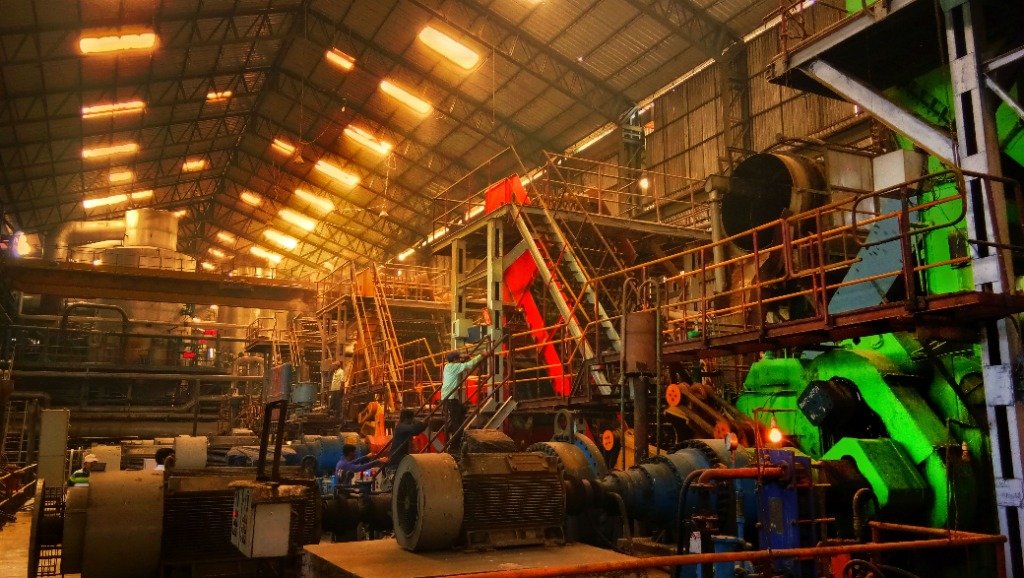
When planning a new factory, expanding an existing manufacturing facility, or upgrading an industrial plant, one of the biggest challenges is making sure every engineering system works together as it should.
Equipment needs to be installed correctly. Piping systems must meet the requirements of the process. Ventilation, utilities and fire protection need to be planned around the facility's operations. And all this work has to be coordinated with the wider construction schedule.
This is where an industrial MEP contractor plays an important role.
An industrial MEP contractor handles mechanical, electrical and plumbing-related engineering work required to support the operation of industrial facilities. Depending on the project, the scope may include process piping, mechanical equipment installation, industrial HVAC, utility systems, fire protection, structural steelwork and testing before commissioning.
But what does an industrial MEP contractor actually do? What services can you expect, and how do you decide whether a contractor is right for your project?
Let's look at the details.
What Is an Industrial MEP Contractor?
An industrial MEP contractor is a specialist responsible for executing engineering systems that help factories, processing plants and other industrial facilities operate safely and efficiently.
MEP stands for Mechanical, Electrical and Plumbing. In industrial environments, these systems can be more complex than those found in ordinary commercial buildings because they must support specific manufacturing processes, operating conditions and equipment requirements.
For example, a manufacturing facility may need process piping to transport liquids, utility lines to supply compressed air, HVAC systems to maintain suitable environmental conditions, and fire protection systems designed around the building's risks and applicable requirements.
An industrial MEP contractor helps translate these requirements into installed systems, coordinating the relevant work with the project team.
The exact scope varies from one project to another. Some contractors specialise in a particular discipline, while others manage multiple engineering activities as part of a wider turnkey project.
What Services Does an Industrial MEP Contractor Provide?
Industrial MEP services depend on the facility's purpose, the equipment being used and the project's technical requirements. Common areas of work include the following.
1. Industrial Process Piping
Process piping carries liquids, gases, steam and other substances required by an industrial process.
It is commonly used in chemical plants, pharmaceutical facilities, food processing units and manufacturing operations.
A process piping package may involve material selection, pipe fabrication, welding, installation, inspection and testing. The design and execution requirements depend on factors such as the fluid being transported, operating pressure and temperature, material compatibility, and the applicable codes.
For example, a chemical processing facility may require stainless steel piping for one application and a different material for another. The correct choice depends on the process conditions and engineering specifications.
Proper planning and installation help reduce the risk of leakage, contamination, unplanned downtime and expensive rework.
2. Industrial Mechanical Equipment Installation
Industrial facilities rely on equipment such as pumps, tanks, vessels, conveyors and other mechanical systems.
Installing this equipment involves more than placing it in the correct location. The work may require careful positioning, alignment, anchoring, connection to piping or utilities, and coordination with other contractors.
The installation requirements vary according to the equipment manufacturer's instructions, the engineering design and the conditions at the site.
A coordinated installation process helps ensure that equipment connections, access requirements and supporting systems are addressed before commissioning begins.
3. Structural Steel Fabrication and Installation
Structural steel is used in industrial buildings, equipment platforms, pipe supports, access structures, mezzanines and other applications.
The work may include fabrication according to approved drawings, material checks, welding, surface preparation, transportation and on-site erection.
Accuracy is particularly important when steel structures support heavy equipment or connect with other installed systems. Incorrect dimensions or poorly coordinated interfaces can lead to delays and additional fabrication work.
A well-planned structural steel package takes the installation sequence, site conditions and requirements of connected systems into account.
4. Industrial HVAC and Cleanroom Systems
Heating, ventilation and air conditioning systems help manage temperature, airflow and ventilation within industrial facilities.
The requirements differ considerably between applications. A general manufacturing area may need ventilation and temperature control, while a cleanroom or controlled production area may require more specific environmental conditions.
Industrial HVAC work can include air handling units, ductwork, ventilation systems, chilled-water piping and related mechanical installations.
Cleanroom projects may also require careful attention to filtration, pressure relationships, airflow patterns and environmental monitoring, depending on the facility's intended use and applicable standards.
These systems should be planned around the actual process requirements rather than treated as a standard building installation.
5. Industrial Fire Protection Systems
Fire protection is an important consideration when planning an industrial facility.
Depending on the building, operations and fire risk, systems may include hydrants, sprinklers, fire pumps, water-based suppression systems and other suitable protection measures.
The selection and design of these systems depend on factors such as the facility layout, materials handled, occupancy, applicable regulations and relevant fire protection standards.
An industrial contractor working on fire protection installations needs to coordinate the system with the overall project and ensure that installation, inspection and testing requirements are addressed.
The final system design should be determined by qualified professionals in accordance with the requirements applicable to the project.
6. Industrial Utility Piping
Manufacturing facilities often require several utility networks to support production.
These may include steam, cooling water, compressed air, nitrogen, thermal oil and vacuum systems, depending on the industry.
Although utility piping may not always be visible in the finished facility, it can be essential to daily operations. An incorrectly specified or poorly installed system can affect equipment performance, energy use and production reliability.
Planning involves understanding the operating requirements, selecting suitable materials, coordinating pipe routes and supports, and arranging the necessary inspection and testing.
7. Industrial Water and Wastewater Systems
Industrial facilities may need water treatment, wastewater treatment and related utility installations.
Depending on the application, the scope may involve water treatment plants (WTP), sewage treatment plants (STP), effluent treatment plants (ETP), reverse osmosis (RO) systems or demineralisation (DM) systems.
The requirements depend on the quality of incoming water, the industrial process, wastewater characteristics and applicable discharge or reuse requirements.
Mechanical installation and piping must be coordinated with the treatment process and the equipment supplied for the project.
8. Turnkey Industrial Engineering Projects
Some industrial projects require several engineering disciplines to be managed as part of a coordinated package.
A turnkey industrial engineering project may combine mechanical installation, process piping, structural steelwork, utilities and other agreed services. Depending on the contract, the contractor's responsibilities may also include procurement coordination, testing and commissioning.
The term turnkey does not automatically mean that every project activity is included. Responsibilities differ according to the contract, so the scope, exclusions, deliverables and handover requirements should be clearly defined before work begins.
For the client, the main advantage of a well-coordinated package is improved visibility across the work and fewer gaps between connected activities.
<Why Is an Industrial MEP Contractor Important for a Manufacturing Facility?
Industrial engineering work involves many connected systems. A change in one area can affect several others, particularly when space is limited or equipment has specific installation requirements.
A specialist contractor can help address these challenges in several ways.
- Better coordination between systems: Piping routes, steel supports, mechanical equipment and ventilation systems often share the same space. Coordinating them early can reduce clashes during installation.
- More organised project execution: A defined work sequence helps teams plan material deliveries, fabrication, site access, installation and inspections around project milestones.
- Attention to technical requirements: Industrial systems must be installed according to the relevant drawings, specifications, equipment instructions and applicable codes.
- Inspection and testing: Identifying inspection points and testing requirements early helps avoid last-minute problems before handover.
- Reduced risk of rework: Clear documentation, accurate measurements and coordination between disciplines can help identify issues before they become expensive site problems.
These benefits are not automatic. They depend on the contractor's capabilities, project planning, quality processes and coordination with the client and other project stakeholders.
Industrial MEP Contractor vs. General Contractor: What's the Difference?
A general contractor typically coordinates the wider construction project, which may include civil works, building construction, subcontractors and overall site activities.
An industrial MEP contractor focuses on mechanical and related engineering systems required by the facility. Depending on its capabilities and agreed scope, this can include process piping, mechanical equipment, HVAC, utilities, fire protection and associated installation work.
The two roles can overlap. Some general contractors employ specialist MEP subcontractors, while some industrial engineering contractors take responsibility for multiple disciplines within a defined project package.
The right arrangement depends on the project's complexity, the client's preferred contract structure and the expertise required.
For projects involving specialised manufacturing equipment, process piping or complex utility networks, it is particularly important to understand who is responsible for engineering coordination, installation, testing and final handover.
How to Choose the Right Industrial MEP Contractor
<Selecting an industrial MEP contractor involves more than comparing quotations. The contractor's technical experience and ability to deliver the agreed scope are equally important.
<Here are six factors to consider.
1. Relevant Industry Experience
<Look for experience related to your type of facility and the systems involved. A contractor familiar with one industrial environment may not automatically have the expertise required for another.
<Ask about comparable projects and the specific work performed.
2. Technical Capabilities
<Check whether the contractor can execute the disciplines included in your scope. These may involve process piping, mechanical installation, steel fabrication, industrial HVAC or utility systems.
<If the project includes several disciplines, clarify whether the contractor will perform the work directly or coordinate specialist subcontractors.
<3. Quality Control and Documentation
<Ask how materials, fabrication, installation and inspection records are managed.
<Depending on the project, relevant documentation may include material certificates, welding records, inspection reports, test results, equipment records and as-built drawings.
<The required documents should be agreed upon before execution begins.
4. Safety Practices
<Industrial sites can involve lifting operations, hot work, work at height, confined spaces and other hazards.
<Understand how the contractor manages site induction, risk assessments, work permits, supervision and compliance with the client's safety requirements.
<Safety responsibilities should be clear to everyone involved in the project.
<5. Project Planning and Coordination
<Ask how the contractor plans to manage procurement, fabrication, installation, inspections and coordination with other project teams.
<A quotation should make the scope and major assumptions clear. For larger projects, a defined execution schedule and process for managing changes are also important.
<6. Testing, Commissioning and Handover
<Installation is only one part of completing an industrial engineering package.
<Confirm which inspections, tests, commissioning activities and handover documents are included in the contract. Also clarify who will coordinate these activities with the equipment suppliers, client and other contractors.
<A clear handover plan helps prevent misunderstandings near project completion.
What Information Should You Share Before Requesting an Industrial MEP Quotation?
<The more clearly the project requirements are defined, the easier it is for a contractor to assess the scope and prepare a meaningful quotation.
<Before approaching an industrial MEP contractor, try to prepare the following information:
- Project location: Where the facility is being built or upgraded.
- Project type: Whether it is a new facility, an expansion or a modification to an existing plant.
- Scope of work: The systems and activities for which you need a quotation.
- Technical drawings: Available layouts, piping drawings, equipment details and specifications.
- Material requirements: Any defined material grades, equipment specifications or approved makes.
- Applicable codes and standards: Requirements that the project must follow.
- Project schedule: Target dates for fabrication, installation, testing and handover.
- Site conditions: Access restrictions, operating-plant constraints and other practical considerations.
- Inspection and documentation requirements: Any client-specific quality, testing or handover requirements.
If some information is not yet available, explain what is still under development. The contractor can then identify the details needed to define the scope properly.
Can an Industrial MEP Contractor Support International Projects?
<Yes, industrial MEP contractors may be involved in international projects, but the scope of support varies by company and contract.
<An international project can involve additional considerations, including local regulations, applicable engineering codes, material approvals, documentation, logistics, customs requirements and coordination with local contractors.
<It is important to distinguish between a company that has completed international projects and one that is exploring opportunities to serve international clients. These are not the same claim.
<Before appointing a contractor for an overseas project, confirm its experience, service availability, ability to meet the project's technical requirements and responsibility for any on-site installation or commissioning.
<For international work, both parties should clearly define the division of responsibilities, applicable standards, documentation requirements and execution arrangements before the project begins.
Working with Engineers Associate
<Engineers Associate is an industrial engineering and MEP contracting company based in New Delhi, India. Its areas of work include industrial process piping, structural steel fabrication, mechanical services, industrial HVAC, fire protection and related engineering installations.
<For industrial projects, defining the scope clearly is an important first step. Understanding the facility's requirements, technical specifications, installation conditions and project schedule helps establish what work needs to be carried out and how the different activities should be coordinated.
<Engineers Associate aims to explore suitable opportunities beyond India as well, with international project requirements and execution arrangements assessed on a project-by-project basis.
<If you are planning a new industrial facility, upgrading an existing plant or evaluating a mechanical and MEP contracting package, discuss your project requirements with Engineers Associate to determine whether the required scope aligns with its capabilities.
Frequently Asked Questions
<1. What does an industrial MEP contractor do?
<An industrial MEP contractor installs and coordinates mechanical and related engineering systems in industrial facilities. Depending on the agreed scope, these may include process piping, mechanical equipment, industrial HVAC, utility networks, fire protection and associated installation work.
<2. What is included in industrial MEP services?
<Industrial MEP services can include process piping, mechanical equipment installation, structural steelwork, HVAC, utility piping, fire protection and industrial water or wastewater systems. The exact services depend on the contractor and the project requirements.
<3. How do I choose an industrial MEP contractor?
<Assess the contractor's relevant experience, technical capabilities, quality procedures, safety practices, project planning and testing and handover processes. Also, review the proposed scope carefully and clarify exclusions before signing a contract.
<4. What is the difference between an industrial MEP contractor and a turnkey contractor?
<An industrial MEP contractor focuses on mechanical and related engineering systems. A turnkey contractor takes responsibility for a defined, broader package intended to deliver an agreed outcome. Some industrial MEP contractors also offer turnkey services, depending on their capabilities and contract scope.
<5. Can industrial MEP contractors work on existing factories?
<Yes. Depending on their expertise and the agreed scope, contractors may support plant expansions, equipment replacements, utility upgrades and other modifications. Work in an operating facility usually requires careful planning to manage access, safety and potential production interruptions.
<6. Can an industrial MEP contractor support projects outside India?
<Some contractors undertake international projects, while others operate only in specific regions. Confirm the company's experience, geographical availability, applicable technical capabilities and ability to meet local requirements before proceeding.
<7. What should be included in an industrial MEP project handover?
<Depending on the contract, handover may include inspection and test records, material documentation, equipment information, as-built drawings, commissioning records and other agreed deliverables. The required documentation should be defined at the start of the project.
Final Thoughts
<Choosing an industrial MEP contractor is an important decision when planning a manufacturing facility, expanding production capacity or upgrading an existing plant.
<The right contractor should understand the technical requirements of the work, coordinate effectively with other project teams and clearly define responsibilities for installation, inspection, testing and handover.
<Before making a decision, look beyond the quotation. Evaluate the contractor's relevant experience, technical capabilities, quality practices and approach to project execution.
<A well-defined scope and a capable project team can help reduce avoidable delays, minimise rework and create a more organised path from installation to commissioning.
<Planning an industrial engineering or MEP project? Contact Engineers Associate to discuss your project requirements and explore the scope of support that may be suitable for your facility.
Have an Industrial Project?
Let's Discuss Your Engineering Requirements.
Share your project scope, technical requirements or facility plans with our team.